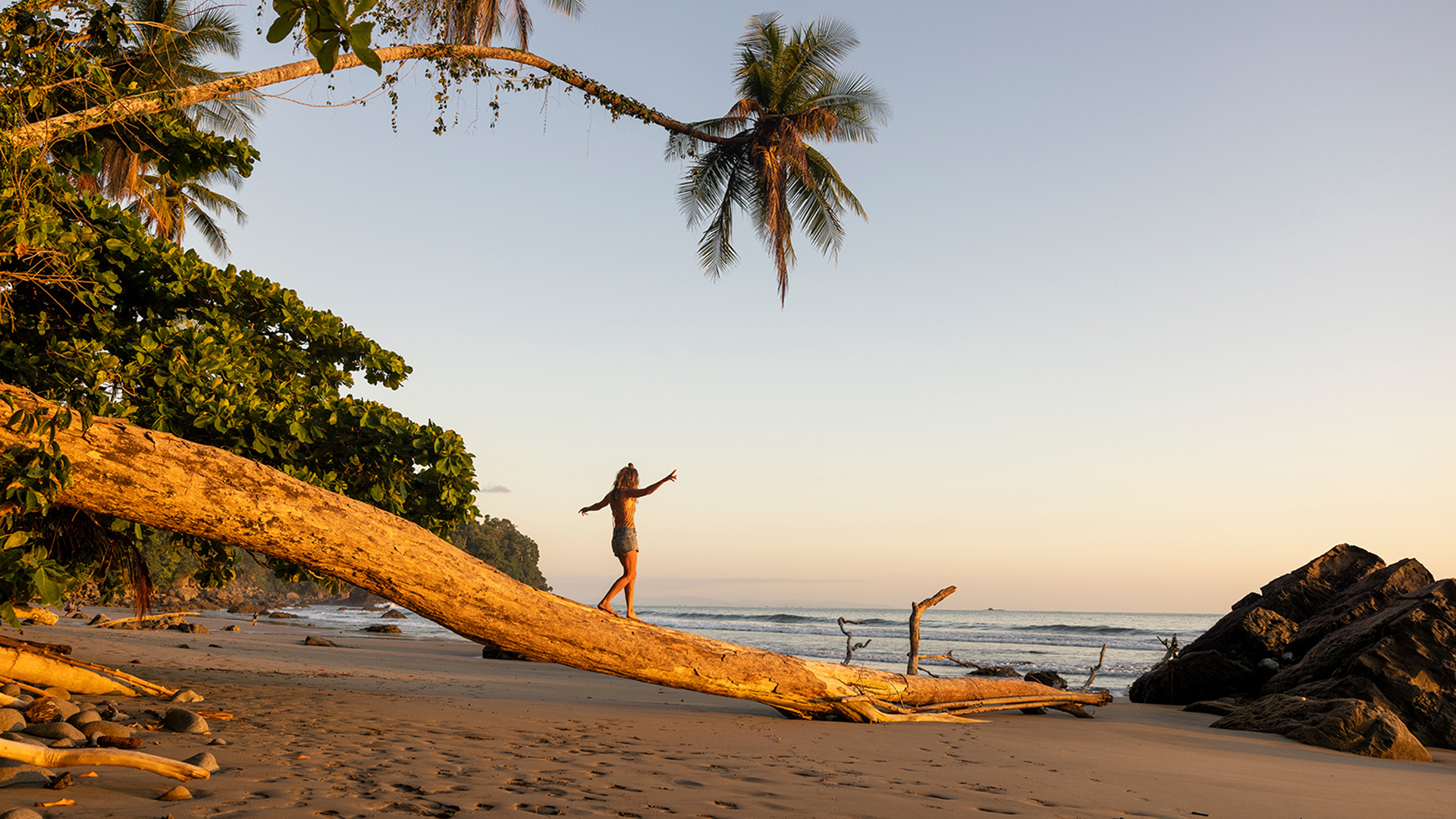
Liberia, Costa Rica: Your gateway to the Pacific coast

Fly into Liberia - the gateway city for Costa Rica's Guanacaste province. Book a JetBlue Vacations package and let the region do the rest.

Liberia, Costa Rica: Your gateway to the Pacific coast

Fly into Liberia - the gateway city for Costa Rica's Guanacaste province - and within an hour you can have your feet in the Pacific, a cold Imperial in hand, and a howler monkey watching from the tree line. Book a JetBlue Vacations package and let the region do the rest.

Just looking for flights?View flights only link opens in a new window

Libera overview

Liberia is the arrival point for Guanacaste, Costa Rica's driest province and most reliable sun destination - but the city itself is a launching pad. The real draw is the surrounding region: a Pacific coast running from the luxury resort corridor of the Papagayo Peninsula to the surf breaks of Tamarindo to the quieter, wellness-oriented towns of Nosara and Sámara, all backed by active volcanoes and national park wilderness. It draws families, surfers, nature lovers, and adventure seekers, often on the same trip. A rental car is the key that unlocks all of it, and the distances between areas are shorter than they look on a map.

Top reason to visit Liberia & Guanacaste:

  • A Pacific coastline that covers every travel style: From the resort-lined coves of Papagayo to the surf culture of Tamarindo to the yoga-and-wellness scene in Nosara, Guanacaste's coast offers genuinely different experiences within a short drive of each other. No single stretch of coastline in Central America packs in as much variety.
  • The best dry-season reliability in Costa Rica: Guanacaste's dry season runs November through April - long stretches of sunshine, low humidity, and calm seas that make it the go-to region when the rest of Costa Rica is wet. The trade-off is a browner landscape, but the sky and ocean more than compensate.
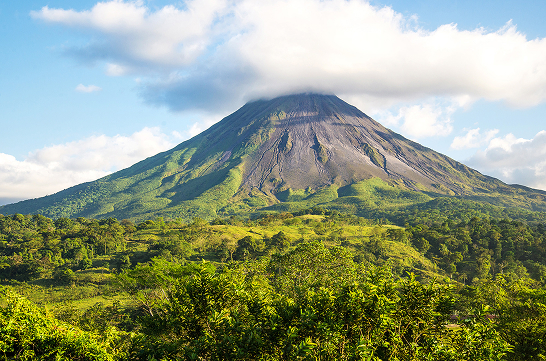
  • Volcanic parks and wildlife right behind the beach: Rincón de la Vieja National Park, just 30 kilometers from Liberia, offers bubbling mud pots, hot springs, waterfalls, and exceptional wildlife - including tapirs, peccaries, and hundreds of bird species. The proximity of an active volcanic landscape to a Pacific beach destination is unusual and genuinely spectacular.
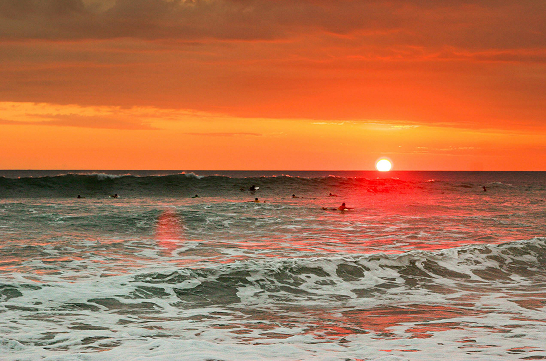
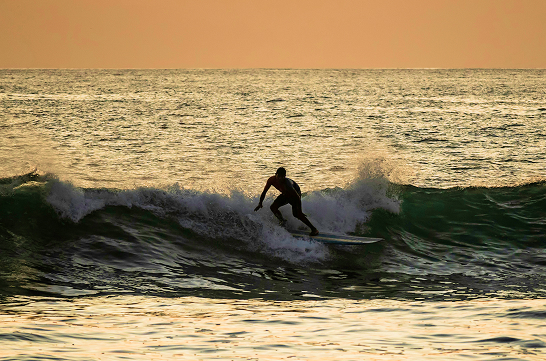
  • Surf that works for every level: Tamarindo is one of Central America's most established surf towns, with consistent beach breaks suited to beginners and nearby point breaks for experienced surfers. Ostional, Playa Negra, and Avellanas offer more serious conditions for those seeking them, all within an hour's drive.
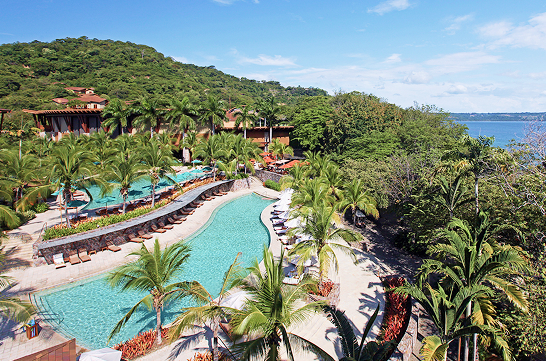
  • All-inclusive options that actually deliver: The Papagayo Peninsula hosts some of the finest all-inclusive resorts in Central America - including properties from major international brands - in a protected bay setting with calm water and manicured grounds. It's the rare place where all-inclusive makes as much sense as an independent stay.
  • Adventure activities in extraordinary density: Zip-lining, white-water rafting, horseback riding on the beach, ATV tours through volcanic terrain, sport fishing, and diving - Guanacaste runs the full adventure menu. Most activities can be booked through your hotel with pickup from anywhere in the region.


Why book your Liberia & Guanacaste trip with JetBlue Vacations?

Exclusive savings and perks: With a JetBlue Vacations package, get the lowest JetBlue airfare, plus added savings when you bundle hotel, cruise or car. You’ll also enjoy perks like earlier boarding, a free inflight drink and more.

Customer support, 24/7: Our dedicated travel experts are available around the clock to assist with any questions or concerns before, during, or after your trip. Contact us, day or night, at 1-844-528-2229.

Secure payment options: We offer secure payment options like credit cards and debit cards. You can also choose a flexible plan that lets you pay a small deposit now and the rest closer to your trip.

Bundle your flights, hotel and more into one easy package and enjoy exclusive savings & perks.

checklistExclusive deals on top Liberia & Guanacaste hotels.

checklistThe lowest JetBlue airfare with your package.

checklistFlexible payment options to fit your budget.

checklistEarn TrueBlue points and tiles on qualifying spend.

Destination guide

Papagayo Peninsula

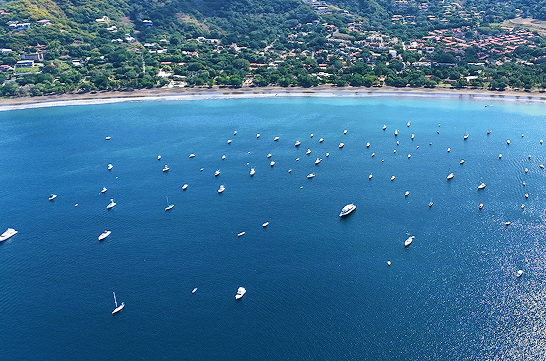
The Papagayo Peninsula is Guanacaste's luxury corridor - a sheltered Pacific bay lined with all-inclusive resorts, boutique hotels, and private villa communities on some of the calmest, clearest water on the coast. The bay's geography protects it from the swell that makes other Guanacaste beaches better for surfing than swimming, making it the top choice for families and resort-focused travelers. Andaz, Hyatt Regency, and Four Seasons all have flagship properties here.

Best for: Families, all-inclusive seekers, luxury travelers, guests who want calm swimming water.

Tamarindo

The Papagayo Peninsula is Guanacaste's luxury corridor - a sheltered Pacific bay lined with all-inclusive resorts, boutique hotels, and private villa communities on some of the calmest, clearest water on the coast. The bay's geography protects it from the swell that makes other Guanacaste beaches better for surfing than swimming, making it the top choice for families and resort-focused travelers. Andaz, Hyatt Regency, and Four Seasons all have flagship properties here.

Best for: Families, all-inclusive seekers, luxury travelers, guests who want calm swimming water.

Playa Flamingo & the Gold Coast

The stretch of coast between Playa Brasilito and Playa Conchal - sometimes called the Gold Coast - offers some of Guanacaste's most beautiful beaches, anchored by the bright white sand of Playa Conchal and the calm cove of Playa Flamingo. The area is quieter than Tamarindo but has seen significant boutique hotel and restaurant development. Playa Conchal is consistently ranked among the finest beaches in Costa Rica.

Best for: Beach purists, couples, snorkelers, travelers looking for a quieter alternative to Tamarindo.

Nosara & Sámara

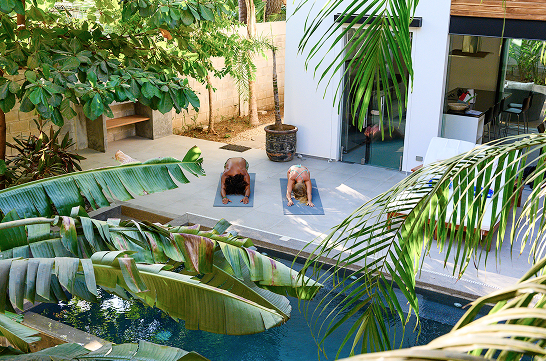
An hour south of Liberia on partially unpaved roads, Nosara and Sámara attract a different crowd - slower-paced, wellness-oriented, and deeply committed to staying that way. Nosara in particular has become one of Central America's most recognized yoga and surf retreat destinations, with a strict development ethos that keeps the jungle canopy intact. Sámara is calmer still - a gentle crescent bay with calm water ideal for families and beginner swimmers.

Best for: Yoga and wellness travelers, families with young children, those seeking quiet over nightlife.

Rincón de la Vieja & the Volcanic Interior

Just 30 kilometers northeast of Liberia, Rincón de la Vieja National Park is one of Costa Rica's most rewarding day trips - volcanic craters, bubbling mud pools, hot spring rivers, and waterfalls in a landscape nothing like the coast. The park also offers some of the best wildlife viewing in Guanacaste, with tapirs, white-faced monkeys, and a remarkable density of birds. Most visitors access it on a guided tour from their beach base.

Best for: Nature lovers, wildlife watchers, adventure seekers, anyone who wants more than beach from their trip.

Getting there & around

Getting to Libera:

Guanacaste is served by Daniel Oduber Quirós International Airport (LIR), located just 15 minutes from downtown Liberia and approximately 45 minutes to an hour from most Papagayo and Tamarindo properties.

From the airport:

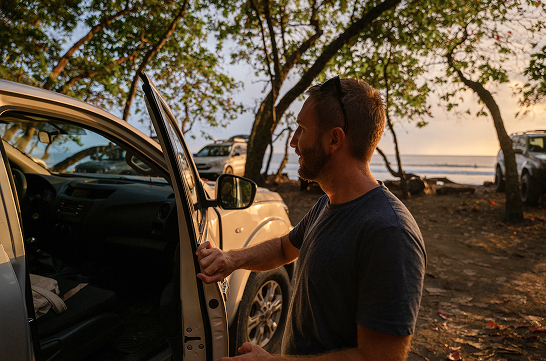
Rental car: The single best option for most visitors and the one most strongly recommended. The LIR terminal has all major rental agencies on-site, and picking up at the airport means you're independent from the moment you land. Roads in Guanacaste are well-signed and distances are manageable; a standard sedan handles most destinations except some dry-season back roads that benefit from a 4WD.

Pre-booked private transfer: A reliable option if you're staying at a single resort and don't plan to explore independently. Most Papagayo and Tamarindo properties offer direct transfers.

Shared shuttle: Available to major destinations (Tamarindo, Nosara, Sámara) through operators like Interbus and Monkey Ride. Cheaper than a private transfer but takes longer due to multiple stops.

Taxi: Available at the airport for shorter trips into Liberia or nearby areas. Negotiate the fare before departing; meters are not standard.

Getting around:

Rental car: Essential for getting the most out of Guanacaste. The region's beaches and parks are spread across a wide area, and relying on shuttles or taxis limits you significantly. A 4WD is worth it for dry-season travel when some back roads can be deeply rutted.

Shared shuttles: Cover the main tourist routes (Tamarindo, Papagayo, Nosara, Sámara, La Fortuna) reliably and affordably. Best for travelers staying in one base and making occasional day trips.

Taxis: Widely available in Tamarindo and Papagayo; less so in quieter areas. Useful for short hops within a town or to a nearby beach.

ATVs and scooters: Popular for exploring beach-to-beach stretches in areas like Tamarindo and the Gold Coast. Rental shops are plentiful; road conditions and traffic vary - use appropriate caution.

Domestic flights: Sansa and Air Costa Rica offer short-hop flights between LIR and San José (SJO) and some coastal destinations. Useful if your itinerary combines Guanacaste with other regions of Costa Rica.

Tip for transportation: Book your rental car before you arrive - demand in Guanacaste's peak season (December through April) is high and walk-up availability at the airport is not guaranteed. Booking in advance also locks in better rates.

Best time to visit Liberia & Guanacaste

Guanacaste's climate is the most predictable in Costa Rica, divided cleanly between a dry season and a wet season with little ambiguity. This makes it easier to plan around than most of the country, where microclimates and Pacific vs. Caribbean coast differences complicate timing decisions.

  • November through April - dry season: This is Guanacaste at its best for sun seekers. Rainfall is minimal, humidity is low, and the Pacific is generally calm and clear - ideal for swimming, snorkeling, and sailing day trips. December through March is peak season with corresponding hotel prices and advance booking requirements. April is shoulder season within the dry period - still excellent weather but slightly lower demand.
  • May through July - green season transition: The rains return gradually, typically as afternoon showers rather than all-day rain. The landscape transforms quickly - Guanacaste's dry brown hillsides go green almost overnight. Hotels drop prices meaningfully, the beaches are less crowded, and the surfing improves as swells pick up. A good window for travelers who prioritize value and don't mind occasional rain.
  • August through October - wet season: The wettest months bring daily rain and higher humidity, though mornings are often clear. Road conditions on unpaved routes can be challenging. This is the quietest period for tourism, with the lowest hotel rates and emptiest beaches. Surfing is at its best; national park wildlife activity increases. Not for everyone, but rewarding for the right traveler.

Monthly guide

  • Best for beach time: December–April, when sunshine is reliable and the ocean is calm and clear.
  • Best for budget travel: September–October, when rates drop significantly and crowds disappear entirely.
  • Best for festivals: Late January/early February (Fiestas de Santa Cruz, one of Costa Rica's most celebrated regional festivals), March (Día del Boyero, ox-cart heritage celebrations in Guanacaste).
  • Best for avoiding crowds: May–June, which combines the tail end of decent weather with off-peak pricing before the full rainy season sets in.

Your day-by-day guide:

4-day Guanacaste itinerary

Day 1: Arrival and first beach afternoon
Land at LIR, pick up your rental car, and head for your base - whether that's the resort corridor of Papagayo or the town energy of Tamarindo, you're on a beach within an hour of touching down. After checking in, the afternoon is yours: find the nearest stretch of sand, order something cold, and let the Pacific do its work. Evenings in Tamarindo reward a walk through town - the main street has good restaurants, a breezy atmosphere, and surf shops that will make you want to get in the water first thing tomorrow. If you're based in Papagayo, the resort grounds and a sunset drink on the bay will make an entirely adequate introduction.

Day 2: Full beach day and local exploration
Spend the morning in the water - surfing if you're in Tamarindo (the beach break in front of town is well-suited to learners and intermediates), swimming if you're in Papagayo, or snorkeling at Playa Conchal if you've positioned yourself on the Gold Coast. In the afternoon, drive to a nearby beach you haven't seen yet - the distances between Guanacaste's best beaches are typically 20–40 minutes, and each one has a different character. Playa Avellanas is 20 minutes south of Tamarindo; Playa Brasilito is 20 minutes north. End with dinner at a beachfront restaurant - fresh tuna, grilled dorado, and a glass of something cold is as good as dinner gets.
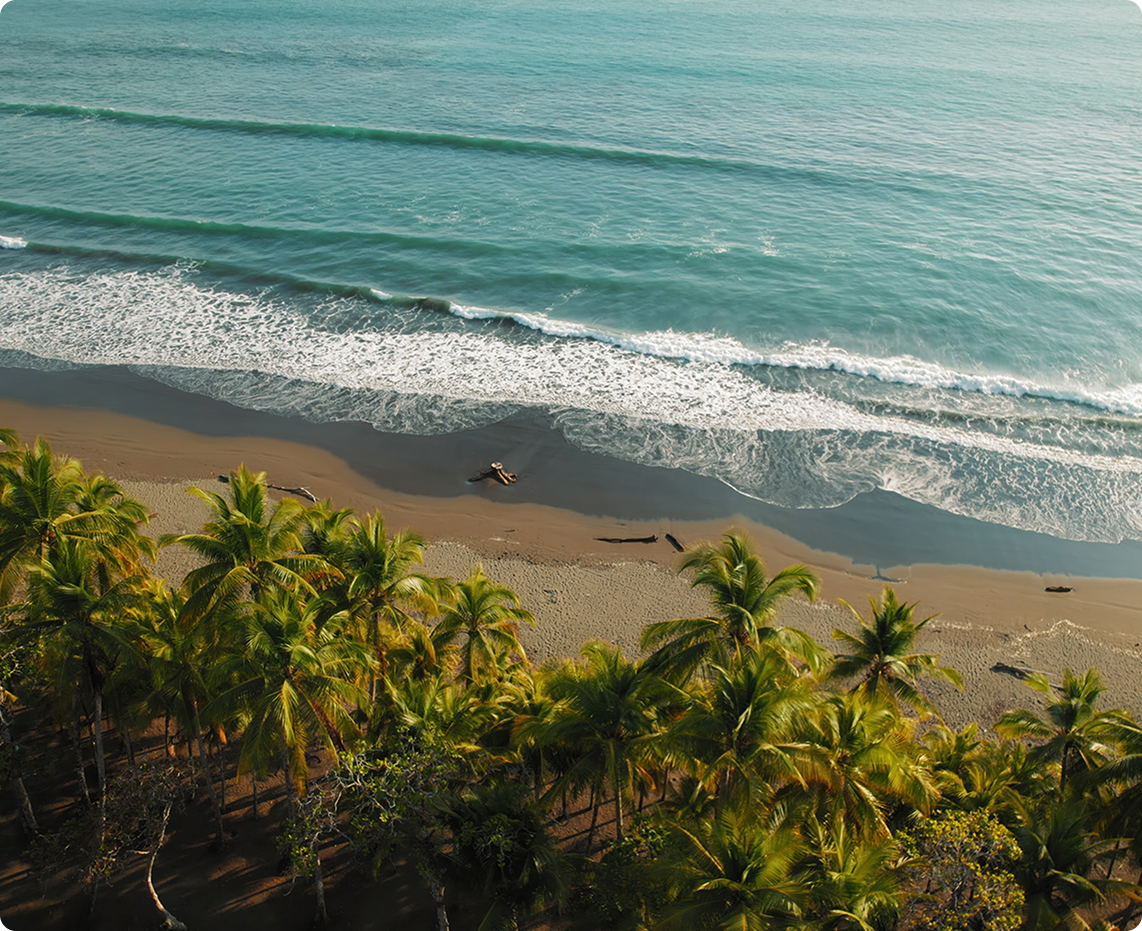

Day 3: Rincón de la Vieja day trip
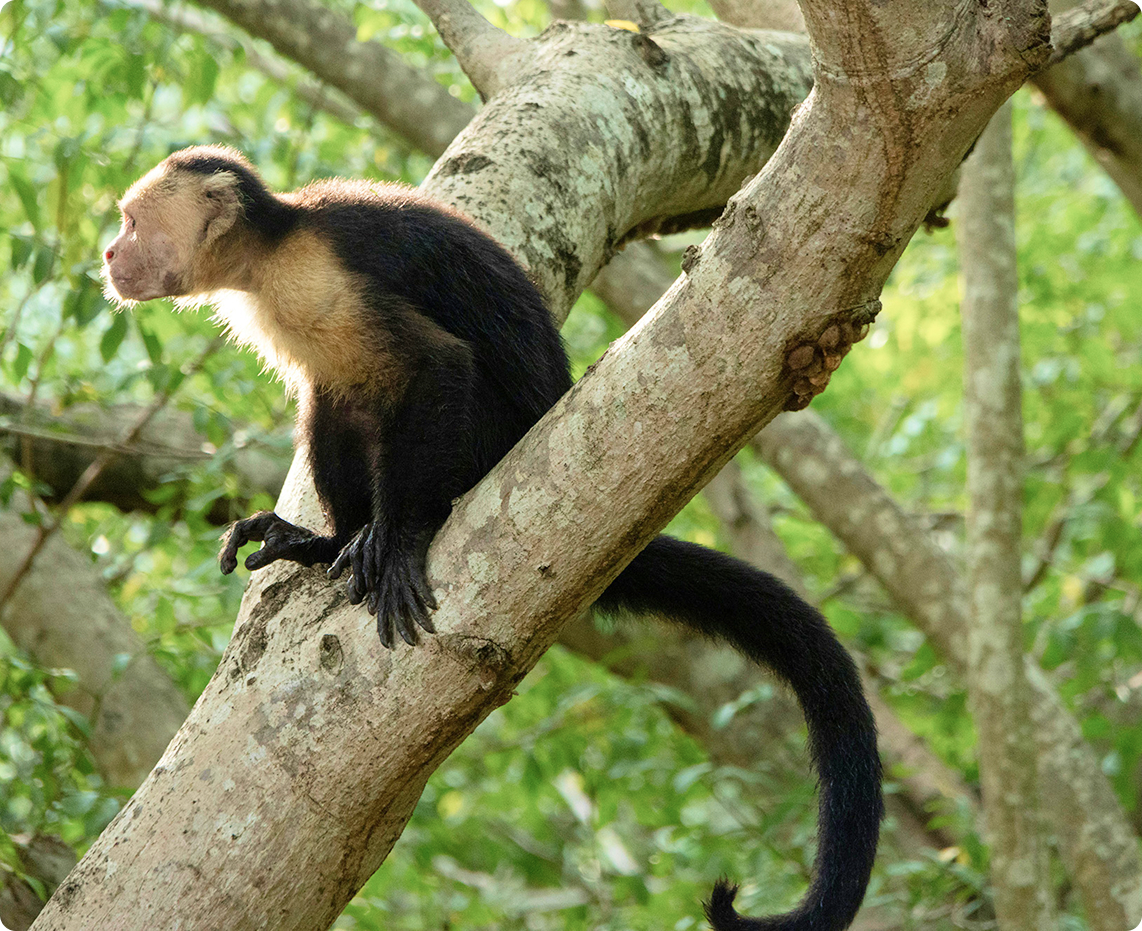
An early start for the volcanic interior. Rincón de la Vieja National Park is about an hour from most Guanacaste beach bases, and the drive through the dry forest foothills is striking on its own. Inside the park, the Las Pailas trail leads past bubbling mud pots, sulfuric fumaroles, and a small volcanic crater lake - a geological landscape that feels like nowhere else in Central America. Longer trails lead to waterfalls and hot spring pools. Wildlife is prolific: white-faced capuchins, coatis, and the arresting cry of the three-wattled bellbird are near-certainties. Return to the coast for a late afternoon swim and dinner, legs tired in the best way.

Day 4: Final morning and departure
Use the morning for whatever the itinerary missed - a surf lesson, a catamaran snorkeling trip, a longer walk on a beach you keep passing. Guanacaste's pace rewards unhurried mornings. Return the rental car to LIR and transfer to the terminal with the particular satisfaction of a trip that delivered exactly what it promised - warm water, dramatic nature, and a version of Costa Rica that's easy to reach and hard to leave.
Accommodations options

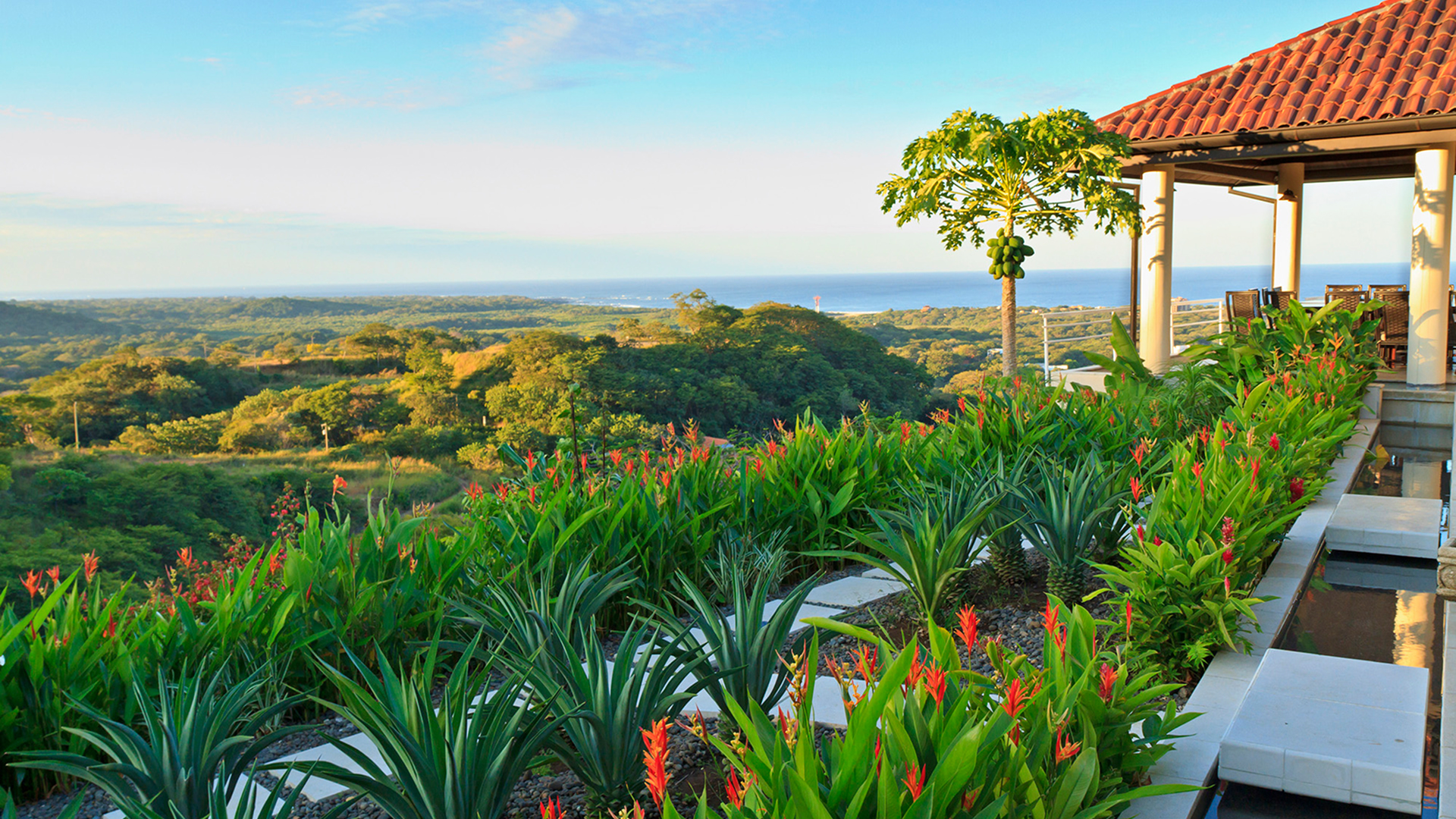
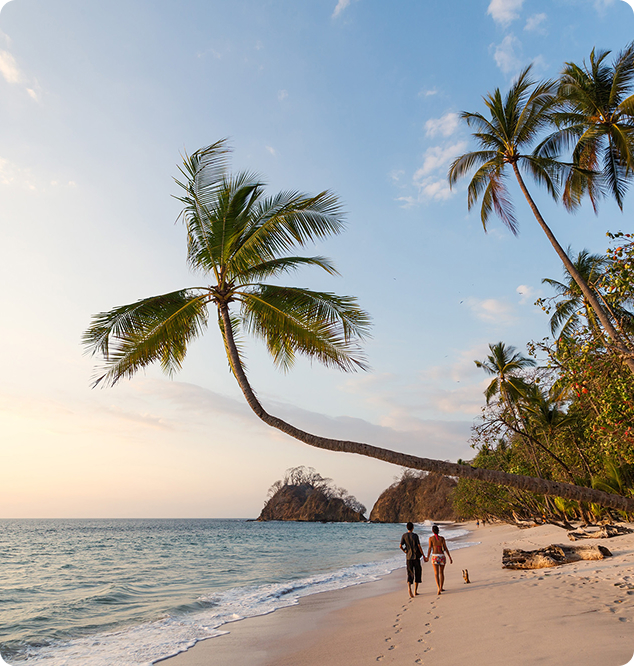
Guanacaste's lodging landscape is broader than almost any destination in Central America - running from flagship all-inclusive resorts on private bays to surf camp bunk rooms in Tamarindo to boutique eco-lodges in the jungle foothills. The region is one of the few in Costa Rica where all-inclusive makes genuine sense, particularly in Papagayo, where the resort infrastructure rivals the Caribbean. Away from Papagayo, the lodging culture is more independent - small hotels, boutique properties, and rental homes that encourage engaging with the broader region rather than staying on-site.

Types of properties:

  • All-inclusive resorts (Papagayo Peninsula): The most developed all-inclusive corridor in Costa Rica. Properties like the Andaz, Hyatt Regency, and Dreams range from family-friendly mega-resorts to more intimate luxury options. The protected bay setting gives Papagayo calmer swimming conditions than most of the coast.
  • Boutique hotels (Tamarindo, Gold Coast): Small, design-led properties - many with pools, good restaurants, and strong service - that put you in the middle of the action without the resort bubble. The best options in Tamarindo and Playa Flamingo rival Papagayo's luxury properties in quality at somewhat lower rates.
  • Eco-lodges (Nosara, Sámara, volcanic interior): Properties built into the jungle or hillside, emphasizing sustainability, wildlife, and a quieter pace. Many have pools and excellent food; the tradeoff is fewer amenities and more limited beach access. These are the most distinctively Costa Rican lodging experiences in the region.
  • Surf camps and hostels: Concentrated in Tamarindo and Nosara, these range from genuinely social party environments to more mellow setups with surf coaching and group excursions. Good value for younger travelers or anyone prioritizing time in the water over hotel amenities.
  • Vacation rentals: Plentiful throughout the region and particularly good value for families or groups. Many homes in Tamarindo and the Gold Coast come with private pools and full kitchens at prices competitive with mid-range hotels.

Price ranges:

  • Budget: $60–120/night. Surf hostels, basic guesthouses, and smaller hotels in Tamarindo and Sámara. Often good value with a social atmosphere.
  • Mid-range: $150–300/night. Solid boutique hotels and better eco-lodges throughout the region. This tier is strong in Guanacaste - the gap between mid-range and budget is noticeable.
  • Luxury/Upscale: $350–800+/night. Papagayo's all-inclusive flagships and the top boutique properties on the Gold Coast. The all-inclusive rate typically covers food, drink, and activities.

Special considerations:

  • Peak season (December–April) brings significant price increases throughout the region; the best Papagayo resorts and Gold Coast boutiques should be booked 2–4 months in advance for holiday travel.
  • Many Guanacaste hotels quote rates in USD; Costa Rica's tourism economy is largely dollarized, which simplifies budgeting.
  • Nosara and Sámara properties are typically priced lower than equivalent quality elsewhere in the region - the unpaved road access historically dampened demand, though this has been improving.
  • All-inclusive rates vary significantly by season and room type - confirm exactly what's included (some properties exclude premium restaurants, certain activities, or off-resort excursions).

Booking tips:

  • A JetBlue Vacations bundle is particularly valuable at Papagayo's larger resorts, where the flight-plus-hotel rate often beats booking components separately.
  • For independent travelers planning to drive around the region, a central base in Tamarindo or the Gold Coast is more practical than Papagayo, where the resort setting makes day-tripping less natural.
  • Green season (May–November) rates at top Papagayo resorts can be 30–50% lower than peak - the shoulder months of May–June offer the best combination of value and weather.

Top attractions & activities

Playa Conchal

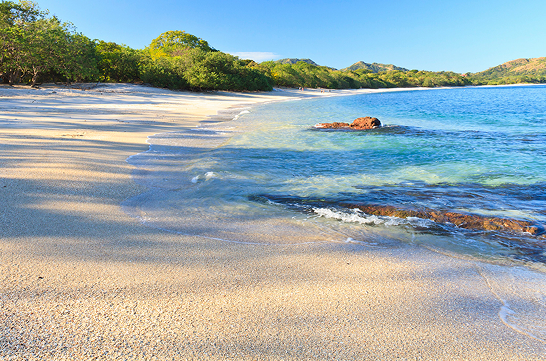
Consistently ranked among Costa Rica's finest beaches, Playa Conchal is named for the billions of crushed shell fragments that give its sand an unusual bright white texture. The water is clear and calm, snorkeling is excellent, and the setting - backed by dry forest - is pristine. Access is through the Westin resort or via the town of Brasilito.

Surfing in Tamarindo and beyond

Tamarindo's beach break is one of the most learner-friendly in Costa Rica, with surf schools operating daily. More experienced surfers head to Playa Avellanas (home of the famous "Little Hawaii" break), Playa Negra, or Ostional - all within an hour south of Tamarindo.

Catamaran snorkeling and sailing trips

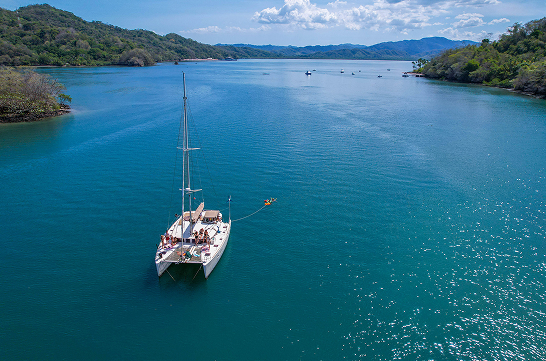
Half-day and full-day catamaran trips depart from Tamarindo, Papagayo, and Flamingo daily during dry season, combining snorkeling at offshore reefs with dolphin watching and a fresh seafood lunch. One of the most popular activities in the region for good reason.

Sport fishing

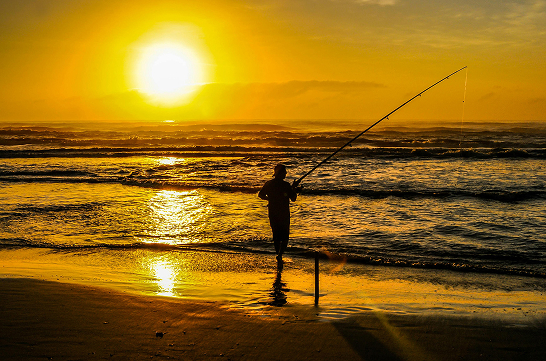
Guanacaste's offshore waters are among the most productive sportfishing grounds in the Pacific - sailfish, marlin, mahi-mahi, and roosterfish are all seasonal targets. Charter boats operate from Tamarindo, Flamingo, and Papagayo.

Food, drink & entertainment:

  • Tamarindo's restaurant scene: The town has the most developed independent restaurant scene in Guanacaste - wood-fired pizza, fresh ceviche, sushi, and modern Costa Rican cuisine within a few blocks. The beachfront bars are lively after sunset; the weekly farmers market (Saturday mornings) is worth the early start.
  • Soda culture: Costa Rica's sodas - small family-run lunch counters serving traditional casados (rice, beans, protein, salad, plantains) - are the authentic heart of the local food culture. Liberia and the smaller towns surrounding the national parks have the best examples; a casado lunch rarely costs more than $6–8.
  • Sunset sailing: Catamaran sunset cruises with open bar are a Guanacaste staple and genuinely deliver - warm water, tropical sky, rum punch, and dolphins on a good day. Most operators run from Tamarindo and Papagayo.

Historical & cultural sites:

  • Guanacaste's oxcart and sabanero culture: Guanacaste has a distinct cultural identity within Costa Rica, rooted in the sabanero (cowboy) tradition of the dry forest lowlands. The Día del Boyero (Day of the Ox-cart Driver) celebrations and regional fiestas - particularly in Santa Cruz and Liberia - feature traditional music (the marimba and tamborito), oxcart parades, and rodeo events that reveal a side of Costa Rica most beach visitors never see.
  • Liberia's Old Quarter (Calle Real): The historic center of Liberia - nicknamed "La Ciudad Blanca" for its white-painted colonial buildings - has a quiet, preserved main street with 19th-century architecture, local restaurants, and a more authentically Costa Rican pace than the beach towns. Worth a brief stop on arrival or departure.
  • Hacienda Guachipelín: A working ranch on the slopes of Rincón de la Vieja offering horseback riding, white-water tubing, zip-lining, and hot spring access in a single full-day adventure package. One of the best multi-activity operations in the region.

Standout experience: Sunrise wildlife walk in Rincón de la Vieja

The hour before sunrise in Rincón de la Vieja National Park is one of those travel experiences that stays with you. The dry forest comes alive in the dark - howler monkeys begin their improbable, almost prehistoric calls well before first light, setting off a chain reaction across the canopy. By the time the sky starts to lighten over the volcanic ridge, you might have already crossed paths with a coati, spotted a keel-billed toucan overhead, or watched a white-faced capuchin pick apart a fig tree ten feet from the trail. The park's volcanic features - sulfur vents, bubbling mud pools, the smell of the earth actually working - add a layer of strangeness that makes even experienced travelers stop and stare. It's the version of Costa Rica the resort brochures gesture toward without quite capturing.

Local culture

Costa Rica has a well-earned reputation as one of Central America's most stable, welcoming, and environmentally conscious countries, and Guanacaste reflects all of that while adding its own distinct character. The province has a history partly separate from the rest of Costa Rica - it was briefly part of Nicaragua before joining Costa Rica in 1824 - and the sabanero (cowboy) culture of the dry forest lowlands gives Guanacaste a regional identity that locals are genuinely proud of. The concept of "Pura Vida" - literally "pure life," used as greeting, farewell, expression of contentment, and general philosophy - is not a tourism slogan here; it's how people actually speak and live.

Local customs:

  • Pura Vida is a real greeting: Use it freely - as a hello, a thank-you, a response to "how are you?" It's received warmly from visitors who mean it rather than perform it.
  • Ticos are patient with Spanish attempts: Costa Ricans are among the most gentle Spanish speakers in Latin America - they speak clearly, don't rush, and are genuinely appreciative when visitors try. Basic phrases go a long way.
  • Punctuality is relaxed: "Tico time" is a real phenomenon - social events and informal arrangements run late by default. Build flexibility into any schedule that involves local coordination.
  • Environmental consciousness is taken seriously: Costa Rica's conservation identity is genuine and deeply held. Littering, taking shells from protected beaches, feeding wildlife, and disrespecting national park rules are viewed poorly by locals and can carry real fines.

Culture site etiquette:

  • National parks require tickets booked in advance: Rincón de la Vieja and most popular national parks now require online reservation; walk-up entry is often unavailable, especially on weekends and holidays. Book before you go.
  • Wildlife watching: Maintain distance from all animals - the monkeys at beach areas are habituated to humans but feeding them causes real ecological harm and is prohibited. Crocodiles in river estuaries (common near Tamarindo's river mouth) should be observed strictly from a distance.
  • Church visits in Liberia: The colonial churches in Liberia's center are active places of worship. Modest dress and quiet behavior are appropriate; photography during services is not.

Appropriate dress:

  • At the beach: Swimwear is appropriate from water to beach bar; cover up for anything further inland.
  • In towns and restaurants: Casual is the norm everywhere in Guanacaste - shorts and a light shirt cover virtually every situation. Air conditioning in some restaurants can be aggressive; a light layer is useful.
  • In national parks: Closed-toe shoes or trail sandals, long pants if you're hiking through brush, and insect repellent. Flip-flops are inadequate for anything beyond the Las Pailas paved loop.

Local festivals:

  • Fiestas de Santa Cruz (January/February): One of Costa Rica's most celebrated regional festivals, held in Santa Cruz about an hour from Tamarindo. Traditional music, dance, bullfighting (Costa Rican style - the bull is not harmed), and food celebrate Guanacaste's sabanero heritage over two weeks.
  • Annexation of Guanacaste Day (July 25): A national holiday commemorating Guanacaste's 1824 decision to join Costa Rica. Celebrated with particular enthusiasm in Liberia - parades, music, and civic events throughout the province.
  • Día del Boyero (March): Ox-cart driver celebrations honoring Costa Rica's traditional agricultural heritage, with decorated oxcart parades in Liberia and surrounding towns.
  • Semana Santa (April - Holy Week): A major holiday period with heavy domestic travel - beaches and towns fill with Costa Rican vacationers. Book accommodation well in advance; the atmosphere is festive but busy.

Dining Guide

Local specialties

Guanacaste offers everything from $6 roadside "sodas" to upscale beachfront dining. The local cuisine centers on fresh Pacific seafood, tropical fruits, and hearty staples like gallo pinto. While Tamarindo offers international flair and Papagayo features luxury resort dining, the region’s best meals are often simple, fresh, and enjoyed right on the sand.

Must try dishes:

  • Casado: The ultimate Costa Rican lunch. This filling plate features rice, beans, a protein (fish or meat), plantains, and salad for an affordable price.
  • Ceviche de Corvina: Fresh sea bass marinated in lime and cilantro. It’s a lighter, refreshing coastal staple found in towns like Flamingo and Tamarindo.
  • Gallo Pinto: The iconic breakfast of rice and beans seasoned with Salsa Lizano. It is typically served with eggs and sour cream.
  • Patacones: Crispy, double-fried green plantains. These are the perfect salty side dish, often topped with black beans or guacamole.
  • Fresh Grilled Fish: Enjoy red snapper or mahi-mahi caught daily. Always ask for the "catch of the day" at beachfront restaurants.
  • Agua de Sapo: A refreshing "toad water" drink made from ginger, lime, and cane sugar—the perfect way to cool down in the Guanacaste heat.

Dining price ranges

  • Budget: $5–12 per meal. Sodas, market stalls, and casual beachside spots. Often the best food in the region.
  • Mid-range: $15–30 per meal. Independent restaurants in Tamarindo, Gold Coast properties, and better hotel restaurants. Strong value across the board.
  • Upscale/Fine dining: $40–80+ per meal. Papagayo resort restaurants, and a handful of serious independent restaurants in Tamarindo. Excellent quality, international benchmark pricing

Popular restaurants in the area

  • Tamarindo main street and beachfront: The highest concentration of independent restaurants in Guanacaste - a walkable strip of pizza, sushi, seafood, and cocktail bars that rewards exploration on foot.
  • Playa Flamingo and Conchal: Quieter and more upscale than Tamarindo, with excellent seafood restaurants overlooking the water and a more local weekend dining culture.
  • Liberia city center: For an authentic Costa Rican meal away from the tourist circuit, Liberia's downtown sodas and traditional restaurants serve food that hasn't been adjusted for foreign palates. A short detour that's worth it.

Dietary restrictions

Vegetarians and vegans are reasonably well served in Guanacaste, particularly in Tamarindo and Nosara, where the international food culture has created solid plant-based options. The traditional Costa Rican diet is rice, bean, and vegetable-heavy, though lard is sometimes used in preparation at traditional sodas - worth asking. Nosara in particular, with its wellness-oriented community, has the most attentive restaurant culture around dietary restrictions.

Travel tips & requirements


Tourists walking in La Fortaleza

Packing tips

Essential items:

  • Lightweight, quick-dry clothing - humidity and water time mean you'll want fabrics that dry fast.
  • Sturdy sandals and closed-toe shoes or trail sneakers for national park walks.
  • High-SPF sunscreen - the Pacific sun in Guanacaste is intense; reef-safe formulas are appropriate near snorkeling sites.
  • Insect repellent - essential for national park visits and any time you're inland after dark.
  • Swimwear (two or more sets - things dry slowly in humid conditions).
  • Reusable water bottle - filtered water is widely available and staying hydrated in the heat is non-negotiable.
  • Light rain jacket or packable poncho - even in dry season, afternoon showers occasionally surprise.
  • Sunglasses and a hat with full coverage.

Unexpected necessities:

  • Cash in colones or USD - beach towns and national park areas often involve cash transactions; ATMs exist but can have long queues or run out during peak periods.
  • Dry bag - essential for boat trips and useful on rainy-season drives on unpaved roads.
  • Headlamp or small flashlight - power outages are occasional, and trails near eco-lodges benefit from one after dark.
  • Reef-safe sunscreen specifically - the reminder is worth repeating; standard chemical sunscreens are damaging to Costa Rica's marine ecosystems and some beaches now enforce the requirement.
  • A light long-sleeve layer for national park mornings - cool before sunrise and useful as sun protection on boat trips.

Protect your trip with Allianz

​Traveling to Liberia & Guanacaste is an exciting adventure - get coverage for unforeseen events such as trip cancellations, medical emergencies, and lost baggage. With Allianz's 24/7 assistance, you can explore Costa Rica with confidence, knowing that support is just a phone call away.

​Protect your trip with Allianz

Entry requirements

U.S. citizens do not need a visa to enter Costa Rica for tourist stays of up to 90 days. A valid U.S. passport is required - minimum six months validity beyond your travel dates is the standard recommendation. Costa Rican immigration officers may ask for proof of onward travel (a return flight booking) and proof of sufficient funds; having these accessible at the immigration counter is advisable. There is no tourist card fee.

Non-U.S. citizens should verify requirements with the Costa Rican consulate or embassy in their country of residence before travel; entry conditions vary by nationality.

Language and communication

Spanish is Costa Rica's official language, and Guanacaste's version - influenced by the province's distinct regional history - has a slightly different cadence from San José Spanish. In Tamarindo, Papagayo, and the main tourist areas, English is widely spoken by hotel staff, tour operators, and restaurant workers; outside those environments, Spanish is necessary. Costa Ricans are warm and patient with non-Spanish speakers; basic phrases are received with genuine appreciation. The "Pura Vida" greeting is universal and always appropriate.

Currency and money

Costa Rica's currency is the Costa Rican colón (CRC), but Guanacaste's tourism economy is heavily dollarized - USD is widely accepted at hotels, restaurants, tour operators, and most beach-area businesses, often with pricing quoted in dollars. That said, carrying some colones is useful for sodas, markets, national park fees, and any transaction outside the main tourist circuit. ATMs in Tamarindo, Papagayo, and Liberia accept major foreign cards (Visa and Mastercard are most reliable); availability is thinner in Nosara and Sámara - withdraw cash before heading south. Credit cards are accepted at most hotels and mid-range-and-up restaurants; street vendors and local sodas are cash-only.

Tipping guide:

  • Restaurants: A 10% service charge (servicio) is typically added to the bill by law; an additional tip for excellent service is appreciated but not expected.
  • Tour guides: $10–20 per person for a half-day tour; $20–30 for a full day.
  • Hotel housekeeping: $2–3 per night is appreciated.
  • Drivers and transfers: $5–10 for a full airport transfer is customary.
  • Surf instructors: $5–10 on top of the lesson fee for a good session.

Technology resources

Power & electricity: Costa Rica uses Type A and B outlets (the same standard as the United States) at 120 volts. U.S. travelers need no adapters or converters.

Mobile service: U.S. carriers with international plans (T-Mobile, AT&T) offer service in Costa Rica, typically at a flat daily roaming rate. Coverage in Tamarindo, Papagayo, and Liberia is good (4G LTE); coverage in Nosara, Sámara, and remote national park areas can be patchy. Local SIM cards from Kolbi or Movistar are inexpensive and available at LIR airport and in Liberia.

Wi-Fi accessibility: Hotels and most restaurants in tourist areas offer reliable Wi-Fi. Coverage drops off significantly in the rural interior and along the southern Guanacaste coast toward Nosara and Sámara - plan accordingly.

Useful apps:

  • Waze: The standard navigation tool in Costa Rica - more up-to-date than Google Maps for road conditions, unpaved routes, and the occasional flooded crossing in green season.
  • WhatsApp: Universal in Costa Rica for local communication - tour operators, hotels, and rental car companies all use it as the primary contact channel.
  • iNaturalist: For wildlife identification in the national parks - exceptionally useful in a region with this density of species.

Health & safety

Guanacaste is one of the safer travel destinations in Central America, and Costa Rica has a well-established reputation for tourism safety. The most common issues are petty theft (particularly of items left in parked rental cars) and ocean-related incidents at beaches with strong surf or rip currents. Crocodiles are present in river estuaries along the coast - the Tamarindo River mouth is a known habitat - and should be treated with complete seriousness: stay out of the water at river mouths and observe from a distance only.

Safety tips

  • Never leave valuables visible in a parked rental car - break-ins targeting tourists are the most common crime in the region. Use hotel safes for passports and excess cash.
  • Check surf and ocean conditions before entering the water, particularly at beach breaks with shore breaks or rip currents. Most beaches have flag systems; ask locals about conditions.
  • Stay strictly away from river mouths and estuaries, even if the water looks calm - crocodile incidents, though rare, do occur.
  • Use licensed tour operators booked through your hotel rather than informal approaches at the beach or roadside.
  • Travel insurance with medical evacuation coverage is strongly recommended - serious injuries may require transport to San José.
  • Tap water is safe to drink in most of Guanacaste's developed areas, though bottled water is widely available and preferable in remote areas.

Medical facilities

Liberia has the region's main public hospital (Hospital Enrique Baltodano Briceño) and a growing private clinic network. Serious cases may require transport to San José (approximately 4 hours by road). Emergency number: 911 (Costa Rica national emergency services).